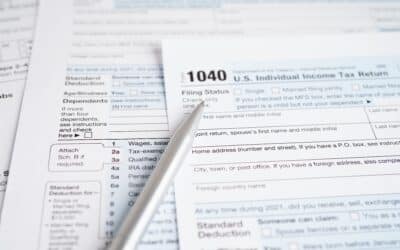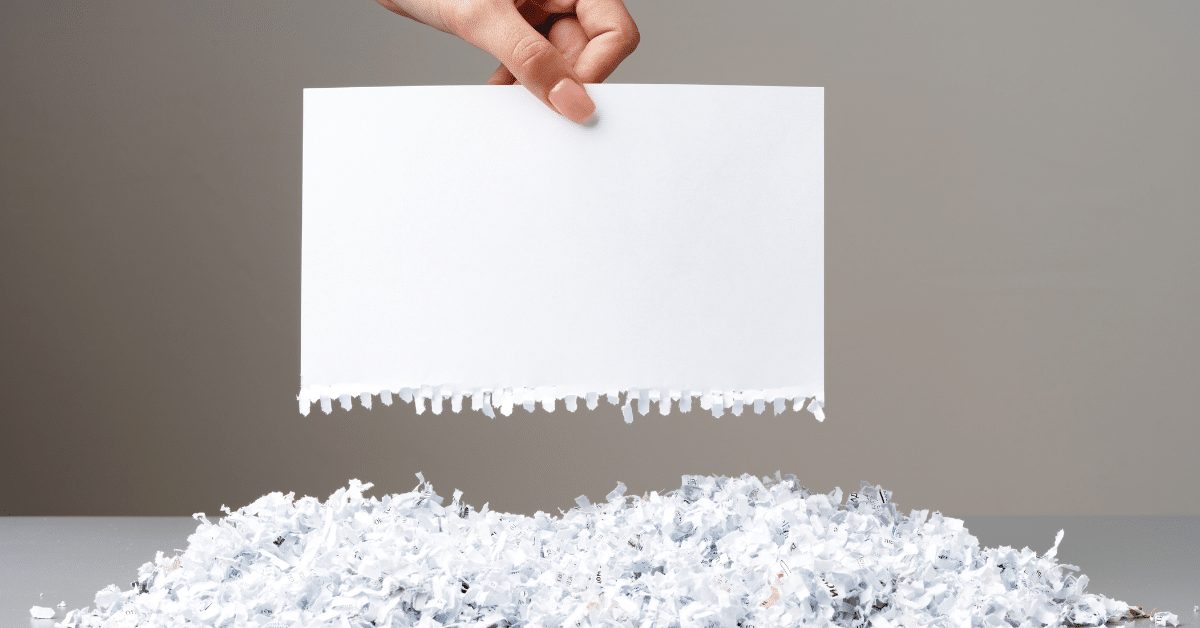
Whether it’s a medical bill, tax forms, a note from your credit union, or pay stubs, much of the information we receive on paper may contain personal identifiable information (PII). PII is information that can identify or pinpoint an individual, whether by itself or with other information. Good examples of PII include full names, mailing addresses, Social Security Numbers (SSN), medical records, ZIP codes, etc. So, what should we do with documents that contain this information after we’re done with them? Should we throw them away?
Ash Goodsell, Senior BSA Fraud Investigator at Centris Federal Credit Union, says, “No, it’s not recommended to throw anything that contains PII into the trash. It’s important to securely dispose of these documents by properly shredding them.”
Throwing away these items instead of disposing of them properly could cost you. That’s why Goodsell is here to explain why you shouldn’t dispose of that document in the trash and how a Centris partnership could help you get free shredding services.
Why Secure Document Shredding Matters
In 2024, the Consumer Sentinel Network received over 1.1 million reports of identity theft. Identity theft happens when a fraudster knows enough about you to open a bank account, apply for a credit card, get a loan, etc., under your name. And how do they get this information? “All sorts of ways,” says Goodsell. “Some fraudsters are really good about piecing together information from different sources to make a complete picture of someone’s identity.”
Some of the information a fraudster is looking for could be on the documents you were planning to throw away. Secure document shredding is important not only to protect you and your information but also to keep your file system clean and organized.
Protects Against Identity Theft
While some might think tossing medical bills, tax forms, and similar items in the trash or recycling is okay, let’s consider a few points. Trash bags can tear. Papers in recycling bins might blow out during transit. Fraudsters can sift through your trash or recycling bins. Although the chances of these events happening are low, they are not zero.
“If you don’t shred the documents that contain PII, there’s no telling where that document could end up,” says Goodsell. “It could make it to the landfill or be recycled, yes. Or it could end up in the hands of a fraudster who tries to steal your identity.”
Shredding personal documents can be an effective way to prevent identity theft.
Keeps Financial and Personal Data Private
By properly shredding your sensitive documents, you’re not only practicing good identity theft prevention but also helping keep your private information, well, private.
“Think about it like the internet,” explains Goodsell. “You likely wouldn’t want information about how much that doctor visit cost you or how much money you make all over the internet, right? That’s what throwing that information in the trash is like. It’s allowing the potential for that information to go elsewhere, likely where you didn’t authorize it to go.”
Complies With Privacy Best Practices
Regularly shredding your documents keeps your file system tidy, supports privacy best practices, and prevents a mountain of old documents in the future.
The Federal Trade Commission (FTC) offers a comprehensive guide on what to shred and when, as well as what to keep for future reference.
The Risks of Shredding Documents at Home
A cost-effective way to handle all these documents containing PII may be to shred them with a home shredder. While this option is better than throwing a document away unshredded, there are some slight risks to home shredding.
Home Shredders Aren’t Always Secure
By properly shredding documents, you ensure they are completely irretrievable and shredded beyond recognition. However, home shredders often use lower-grade shredding tools, which often fall short of destroying your documents sufficiently.
Goodsell mentions that “many home shredders may leave documents in strips that could be easily pieced back together.”
Time-Consuming and Inconvenient
Let’s be honest, after that big filing cabinet clean-out, who wants to sit in front of the shredder all day? So, you take a break and leave it for tomorrow. And then the next day, and the next.
“Shredding paperwork isn’t the most exciting task, so there’s a risk of leaving piles of unsecured documents around the house,” says Goodsell. “Not only does that make the documents vulnerable, but it also gives you a not-so-fun task to do.”
Simple, Secure, and Traceable: How Shred Vault Works
Luckily, there’s a simpler way to shred your documents. Shred Vault offers secure, sustainable paper shredding services through its unique Shred Vault bag and kiosk system.
Here’s how it works:
- Purchase your Shred Vault bags at a participating Shred Vault kiosk or online.
- Fill your Shred Vault bag(s) with up to 10lbs of paper. No need to remove staples or paperclips!
- Seal your Shred Vault bag(s). Once sealed, your Shred Vault bags are never reopened, ensuring your documents stay private throughout the entire process.
- Deposit your Shred Vault bag(s) at a Shred Vault kiosk.
- Track your Shred Vault bag(s) through the entire process using their mobile app and get confirmation that your documents have been received and securely destroyed.
100% of the paper shredded with Shred Vault is recycled, helping protect the environment.
Try Shred Vault for Free!
Ensuring that your documents get securely destroyed shouldn’t be hard. That’s why we’re partnering with Shred Vault to provide our community with free shredding services for a limited time. Download the Shred Vault app and sign up for a new account to receive up to 100lbs of free shredding!* That’s 10 Shred Vault bags for FREE. Once you download the app and sign up, just scan and redeem the in-app promotional codes at any participating Shred Vault kiosk.
Take advantage of this limited-time offer and try an easier way to shred with Shred Vault!
*Offer is available for a limited time. Contact Shred Vault directly for any questions or concerns at support@shredvault.com or call 866-976-7818.